
Jessica Ward
Understanding the Price of Flight Training at High Tide Aviation
Understanding the cost of flight training can feel overwhelming for new students, especially when comparing prices between schools, aircraft types, and training paths. High Tide Aviation takes a clear and student-first approach to explaining the true cost of earning a pilot license. With training locations in Southport and Wilmington in North Carolina and St Simons Island in Georgia, the academy helps students understand what they are paying for, why costs vary, and how to plan for successful pilot training.
What Makes Up the Cost of Flight Training
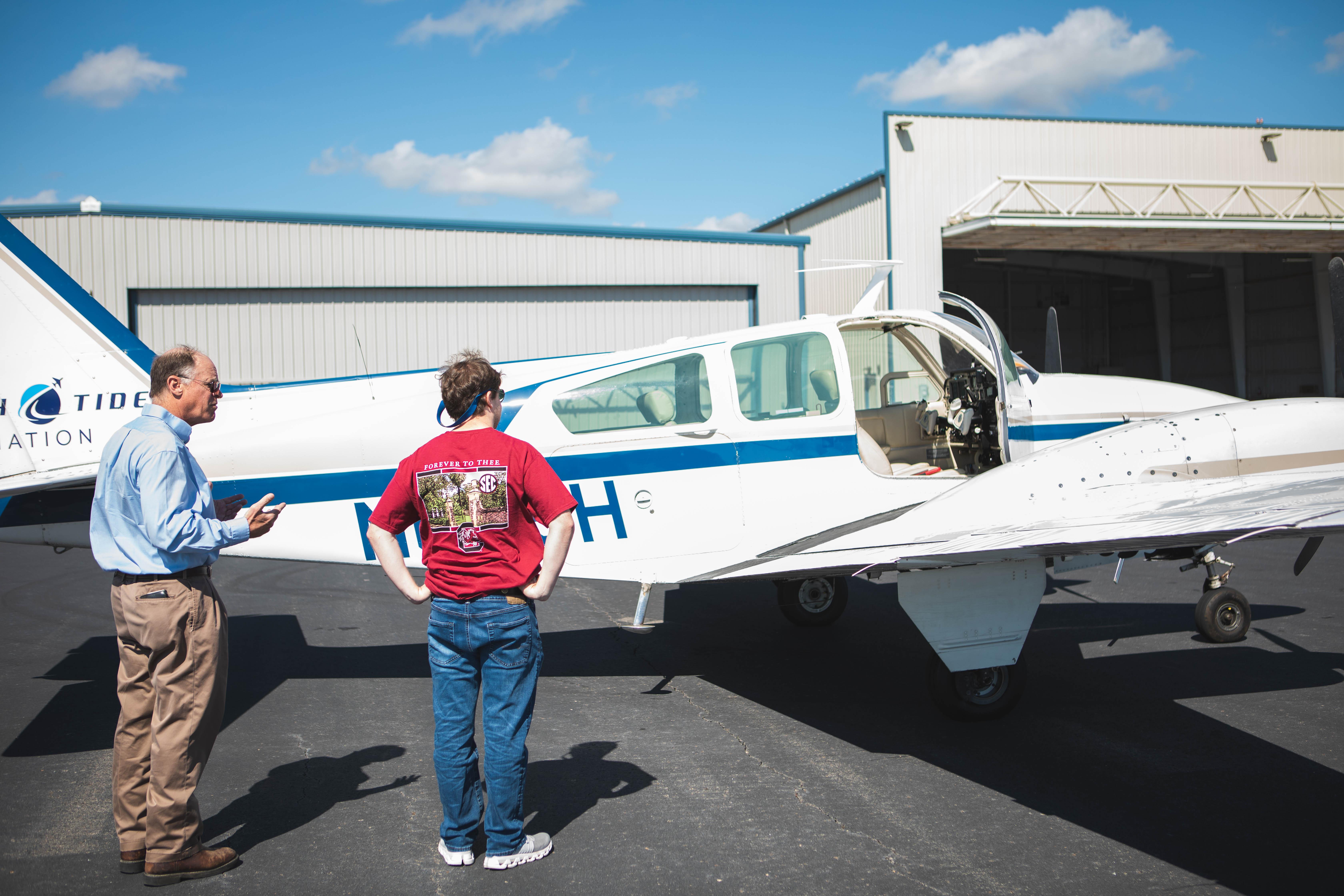
Flight training has several core components: aircraft rental, instructor time, simulator hours, fuel, materials, and checkride fees. At High Tide Aviation, students train in a modern fleet of airplanes and helicopters that are maintained to the highest standards. Each hour of flight includes the aircraft, fuel, insurance, and maintenance support. Instructor time is billed separately and covers both in-flight instruction and any ground training needed to prepare for lessons.
High Tide Aviation provides structured Part 141 programs for predictable, syllabus-driven training and flexible Part 61 programs for students who prefer a personalized approach. This gives each student control over pacing, scheduling, and how their budget aligns with the training path they choose.
Why Prices Vary Between Training Programs
The price of learning to fly depends on the type of certificate or rating a student is pursuing. A Private Pilot Certificate requires fewer hours than an Instrument Rating or Commercial Pilot Certificate. Multi-Engine training and helicopter training also involve specialized aircraft with higher operating costs, which affects the final price.
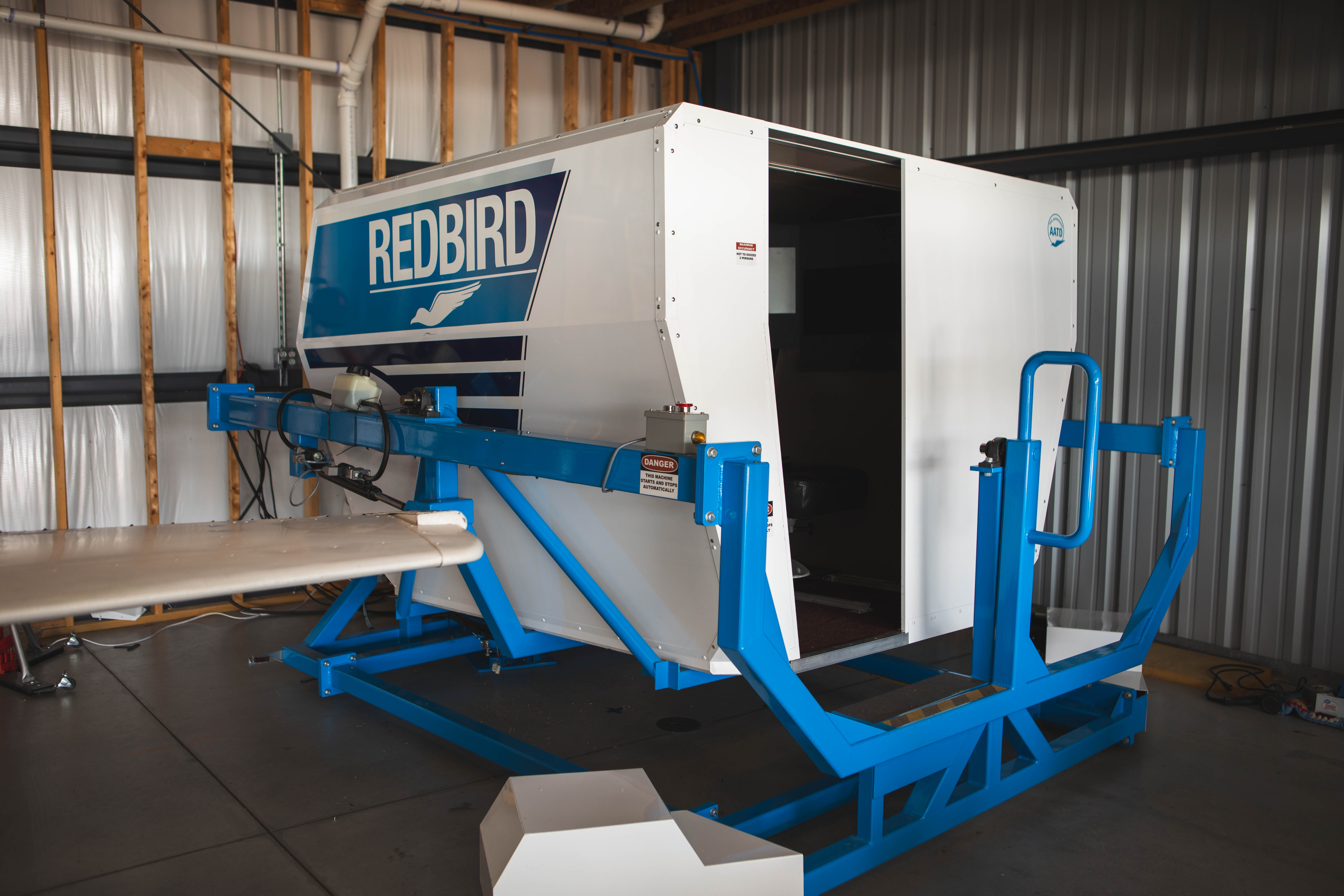
The academy uses both airplane and helicopter simulators, including a Redbird FMX full motion simulator. Using the simulator helps students learn procedures at a lower hourly cost while reducing training delays due to weather. Simulators also make the learning process more efficient, which can reduce the total cost of earning a rating.
How Students Can Reduce Training Costs
High Tide Aviation encourages students to plan ahead and train consistently. Gaps between lessons often lead to repeat training, which increases the total hours needed. By keeping a steady schedule, reviewing materials, and flying regularly, students can stay on track and reduce overall costs.
Using a mix of aircraft and simulator time can also help manage budget expectations. The academy’s instructors guide students on when to use the simulator, when to fly the airplane, and how to combine both for the most efficient progress.
Transparent Pricing and Personalized Guidance
High Tide Aviation believes that students succeed when they clearly understand where their money goes and how training hours work. The academy provides clear estimates for each program and reviews them during an initial consultation. Each student receives support in choosing between Part 141 and Part 61 and understanding how scheduling, weather, and training frequency play a role in budget planning.
Visit Us
High Tide Aviation is committed to helping students complete their training efficiently, safely, and with a clear understanding of every cost involved. With locations in Southport and Wilmington in North Carolina and St Simons Island in Georgia, the academy offers flexible and transparent training for future pilots across the Southeast coast.
To learn more about training options or to request pricing details, visit the High Tide Aviation website or contact the team directly at their contact page.